
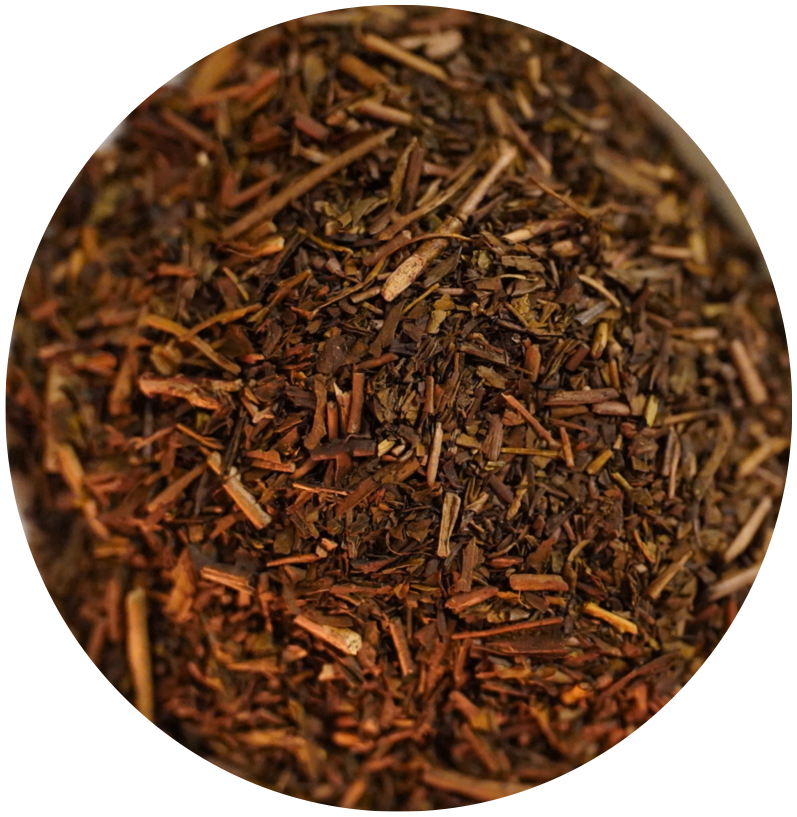
Introduction to Hōjicha
Hōjicha is a roasted Japanese green tea that captivates with its toasty aroma and mellow flavor. Unlike the vivid grassy character of sencha or the bold intensity of matcha, this tea offers warmth, softness, and a calming nature.
Origins of Hōjicha in Japan
Hōjicha emerged in Kyoto during the 1920s, by roasting green tea leaves over charcoal. Creating a new tea with a distinctive flavor that quickly gained popularity. Over time, Hōjicha became a staple in Japanese homes, especially drank in the evening and during family gatherings. Its wonderful taste makes it accessible for many.
The Roasting Process- Transformation of green tea leaves
Roasting changes the very character of green tea. Fresh, grassy notes are replaced by smoky, nutty layers that feel more grounding. Heat transforms catechins into milder tannins, lowering bitterness and creating a smooth finish. The roasting also produces pyrazines, responsible for the comforting toasted aroma.
Characteristics of Hōjicha
Aroma profile: smoky and nutty tones- The smell of Hōjicha evokes roasted chestnuts, campfire smoke, and a hint of caramel sweetness.
Flavor profile: mellow, earthy, and sweet- Its taste is gentle and rounded, without astringency, offering a sense of ease with every sip.
Appearance of leaves and liquor- The dry leaves are reddish-brown, distinct from the verdant green of other teas. The liquor brews into a warm amber or chestnut hue.
Hōjicha is low in caffeine- Roasting reduces caffeine levels naturally, making Hōjicha one of the gentlest green teas. It is often served after dinner, even to children and the elderly, due to its calming properties from L-theanine and low caffeine content.
Health Benefits of Hōjicha
- Antioxidant properties- Despite its mellow taste, Hōjicha still contains beneficial polyphenols and antioxidants.
- Digestive support- Its gentle warmth soothes the stomach, making it an ideal companion after meals.
- Stress relief and relaxation- The roasted aroma and low caffeine content make it a natural choice for unwinding.
Brewing Hōjicha
Traditional Japanese method
Typically brewed at around 80°C, the tea steeps quickly, releasing its toasted notes.
Western adaptations
Many cafés prepare Hōjicha lattes, blending the roasted tea with milk for a creamy twist.
Cold brew Hōjicha
Steeping leaves in cold water for several hours produces a refreshing, smooth drink ideal for summer.
Culinary Applications
Hōjicha’s smoky qualities complement grilled meats, roasted vegetables, and soy-based dishes. It is often poured alongside rice, miso soup, and grilled fish, completing the Japanese dining experience.
Conclusion: The Unique Charm of Hōjicha
Hōjicha embodies warmth, comfort, and everyday elegance. From Kyoto’s invention to global recognition, its roasted aroma and soothing flavor make it unlike any other tea. Hōjicha should definitely be added to your tea collection to be enjoyed on a cool winter’s night or iced on a summer day. Ready to experience the soothing taste of Hōjicha for yourself? Explore our https://jordansteas.com/product/hojicha/